


Alli360 by Kids360
4.4867.00 Reviews
App Specs
- Version
- 2.87.0
- Updated On
- License
- Free
- Downloads
- 5,000,000+
- Developer
- MINDCARE LAB LTD
- Categories
- Parenting
- Platform
- Android, iOS
Screenshots
 Analysis by AppCompare
When I’m trying to make screen-time rules work at home, I want something more practical than a daily argument over when a game has to end. Alli360 by Kids360 is a parenting app focused on managing the time children spend in games and mobile apps. That clear purpose makes it most useful for families who want a routine they can explain and stick to, rather than a tool that tries to do everything a parent might need.
It’s a free app from ANKO Solutions LLC, and its current version is 2.71.1. The app has been available since December 10, 2020, and its 4.4 average from around 211,000 ratings suggests it has found a substantial audience. I’d treat that as a useful sign of interest, not a guarantee that it will suit every household: screen-time rules depend on a child’s age, temperament, and the devices a family uses.
What the current version is for
The important thing to understand before installing Alli360 is its focus. It is a screen-time management tool for games and mobile apps, so the central question it helps a family address is how much time a child spends on those activities. That’s different from choosing a general-purpose family safety product and assuming it will handle every part of parenting online.
I’d consider it when a child’s device use has become hard to discuss in the moment. A consistent limit can make a boundary feel less like a fresh decision made by a frustrated parent every evening. The app is not a substitute for talking about why a rule exists, though. The best result is a limit that the child understands, with the parent still involved in deciding what is fair.
Getting Started
First things first, downloading and setting up Alli360 by Kids360 was a breeze. Available on both Android and iOS, you can snag it from the app store without breaking a sweat. The installation process is straightforward, and within minutes, I was ready to explore its features.
Features Galore
What caught my attention right away was the app’s sleek interface. It’s user-friendly, which is a huge win for parents juggling multiple tasks. The app offers a plethora of features that aim to keep kids safe while giving them the freedom to explore.
One standout feature is the real-time location tracking. It’s like having a GPS on your kid’s phone without being intrusive. You can easily check their location, ensuring peace of mind when they’re out and about.
Worth Reading Before You Choose

Baby Panda World Brings Quick Play to Modern Phones, but Its Game Library Feels Busy

ESPN’s Live Game View Makes Following Close Games Easier

QuizzLand Review: A Good Fit for Short Trivia Breaks, Not Every Player

Basketball Stars: Multiplayer Is Fast, but Can It Recover When Matches Go Wrong?

WEBTOON Turns Phone Updates Into a Better Reading Routine

Link to Windows Runs on Shared Habits, Not Social Feeds
The app also boasts a geofencing feature. You can set up safe zones, and if your little adventurer steps outside these boundaries, you’ll get an instant alert. It’s like having an invisible safety net!
How I’d make screen-time rules workable
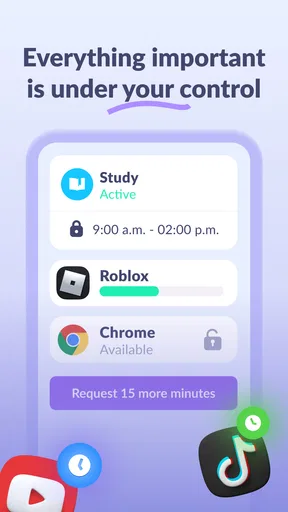
For screen-time management, the most helpful starting point is to decide on a rule before configuring anything: which games or apps are a concern, when they’re appropriate, and what the child should do when their allowance is used. That conversation matters because a timer can enforce a boundary, but it cannot explain it. I’d begin with one or two clear expectations rather than changing a whole household routine at once.
A realistic weekday example is a child finishing homework and asking to play. A parent can use an agreed limit for games, then make the transition predictable: play ends before bedtime or another family activity, instead of ending only when an adult notices the clock. The value is less about policing every minute and more about avoiding repeated negotiations. If the child needs a device for schoolwork, make sure the family’s rules distinguish that need from recreational use.
One useful habit is to review the arrangement after a few days rather than treating the first limit as permanent. If a child repeatedly reaches the limit during a planned activity, that may signal that the rule needs adjustment; if it regularly leads to arguments, the issue may be the timing or communication, not simply the number of minutes. I’d use the app as a way to make the agreement visible, not as a replacement for checking whether it still fits.
Engagement and Safety
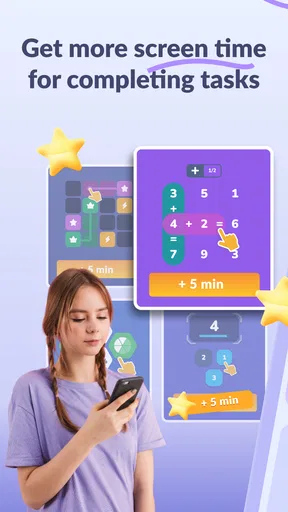
Beyond safety, Alli360 ensures kids stay entertained too. The app incorporates educational games and activities designed to keep them engaged. These aren’t just any games; they’re crafted to boost learning while having fun.
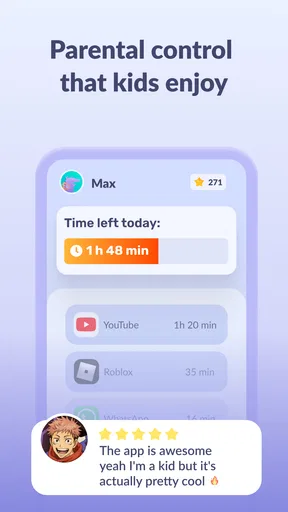
Now, let’s talk safety. The app includes a robust system for monitoring app usage. You can see which apps are being used and set time limits, helping balance screen time and real-world play.
Where it fits among parenting options
Compared with relying on verbal reminders or a household rule written on the fridge, app-based management can make limits more consistent when parents are busy. That consistency is its practical appeal. On the other hand, a simple conversation and a device’s built-in controls may be enough for a family that only needs a basic boundary. I wouldn’t add another app unless the family has a specific problem it can help solve.
It’s also worth distinguishing screen-time management from broader supervision. A parent choosing Alli360 for time limits should not assume that a screen-time tool alone answers every question about a child’s online safety. Families primarily looking for content guidance, device-wide settings, or a different kind of oversight should compare those needs with the controls already available on their devices and choose the option that directly addresses them.
The app is a better fit for parents willing to set expectations together with their child than for anyone hoping to make screen-time conflict disappear automatically. Older children may respond better when limits are discussed as a shared routine rather than imposed without explanation. For younger children, a parent may need to stay more involved and help them understand what happens when time is up. In either case, the family’s approach matters as much as the setting.
Practical trade-offs before relying on it
One trade-off with any app-based limit is that a rule can feel arbitrary if the child does not know when it applies. I’d explain the schedule in plain language and agree on exceptions in advance, such as a family trip or a special occasion. Making exceptions predictable helps avoid the impression that the rule changes whenever a parent is annoyed or distracted.
Another point to consider is device coverage. A screen-time plan only works as well as the devices and apps it actually covers. Before making Alli360 the centre of a family routine, check that it suits the child’s device setup and the specific apps the family wants to manage. If a child switches between devices, parents should think through that routine too rather than assuming one limit automatically creates the same boundary everywhere.
For a household with several children, I’d avoid applying one identical rule without considering their different ages and needs. One child may use a device for school or communication while another mainly uses it for entertainment. A workable setup should reflect those differences, and parents should be prepared to revisit it as circumstances change. That is a more useful measure of success than simply having a control in place.
What to know about its place in a family routine
Alli360 is listed for Everyone and has more than a million installs. Those figures show that it is broadly available and widely used, but they don’t tell me whether a particular family will find its approach comfortable. I’d involve the child in the conversation, especially if they are old enough to understand why limits exist. Clear expectations tend to feel fairer than a surprise restriction.
The app’s strongest case is a family that wants help keeping recreational use within agreed boundaries. It is less compelling if device use is already calm and self-managed, or if the parent’s main concern lies outside screen time. In those situations, a direct conversation or a simpler device setting may be easier to maintain than introducing another layer of management.
Because the app has a current version number and has been available for several years, it is reasonable to think of it as an ongoing product rather than a one-off experiment. That tells me about its continued presence, but not what any particular release changed. For existing users, the sensible approach is to check the current controls after updating and confirm that the family’s rules still behave as expected, rather than assume an update has altered a setting or solved a longstanding friction point.
My Takeaway
Overall, Alli360 by Kids360 is a fantastic blend of utility and entertainment. It gives parents the tools they need to ensure safety while allowing kids the freedom to explore and learn. The app is intuitive and doesn’t require a tech-savvy brain to navigate, which I found refreshing.
Whether you’re a parent who’s always on the go or someone who just wants a little extra peace of mind, this app is a solid companion. It’s not just about keeping tabs on your kids; it’s about creating a safe space for them to grow and learn. I’d say give it a shot and see how it fits into your family’s routine.
So, what are you waiting for? Dive into the world of Alli360 by Kids360 and discover a better way to stay connected with your kids while keeping them safe and sound. It’s more than an app; it’s a game-changer for modern parenting.
What I’d watch as the family’s needs change
After setting a routine, I’d pay attention to whether it reduces friction or just moves the argument to a different point in the day. If a child begins planning around the limit and stopping without a repeated reminder, the arrangement is doing useful work. If the limit regularly interrupts homework, communication, or an agreed activity, I’d reassess the plan before tightening it further. The goal is a boundary that supports family life, not a rule that becomes the family’s main topic.
I’d also keep expectations modest about what a single parenting app can accomplish. Screen-time tools can help make a decision consistent, but they can’t judge whether a particular game is appropriate for a child or replace an adult’s attention. Parents who want a detailed conversation about online content still need to have one; those who want only a straightforward way to keep recreational use in check may find this app’s focus more relevant.
For families weighing whether to try it, the practical question is not whether every household needs Alli360, but whether a specific screen-time problem would benefit from a shared, repeatable rule. ANKO Solutions LLC is the developer, and the app is free to install, so it may be a reasonable option to consider when that need is clear. I’d still judge it by how naturally it fits the child’s device use and the family’s agreements, rather than by popularity alone.
Pros
- User-friendly interface for easy navigation.
- Parental controls to monitor kids' activities.
- Real-time location tracking for safety.
- Educational games to enhance learning.
- Customizable alerts for parents.
Cons
- Requires constant internet connection.
- Limited features in free version.
- Battery drain due to GPS usage.
- May invade children's privacy.
- Subscription can be pricey.
FAQs for Alli360 by Kids360
What is Alli360 by Kids360 and how does it work?
Alli360 by Kids360 is a parental control app designed to help parents monitor and manage their children's device usage. It allows parents to track location, set screen time limits, and filter inappropriate content. The app requires installation on both the parent's and child's devices to function effectively.
Is Alli360 by Kids360 safe to use?
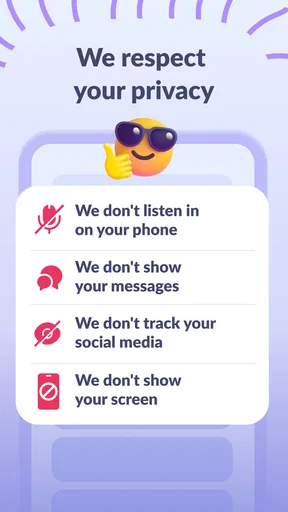
Yes, Alli360 by Kids360 is designed with safety and privacy in mind. It uses secure encryption to protect data. However, it’s important for parents to read the privacy policy to understand how data is handled and to ensure compliance with local privacy laws.
What devices are compatible with Alli360 by Kids360?
Alli360 by Kids360 is compatible with both Android and iOS devices. It supports a wide range of smartphones and tablets. For optimal performance, ensure that your device runs the latest version of its operating system and meets the app's technical requirements.
Are there any subscription fees or in-app purchases?
Alli360 by Kids360 offers a free version with basic features. However, for access to premium features such as advanced monitoring tools and detailed reports, a subscription is required. The app offers various subscription plans to suit different needs and budgets.
Can I customize settings for each child individually?
Yes, Alli360 by Kids360 allows parents to set individual profiles for each child. This means you can customize screen time limits, content filters, and location tracking settings according to each child's age and needs, providing a tailored experience for every child in the family.


